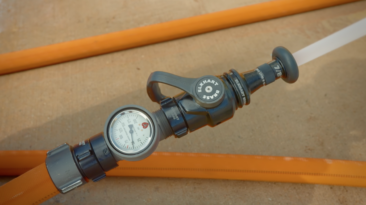

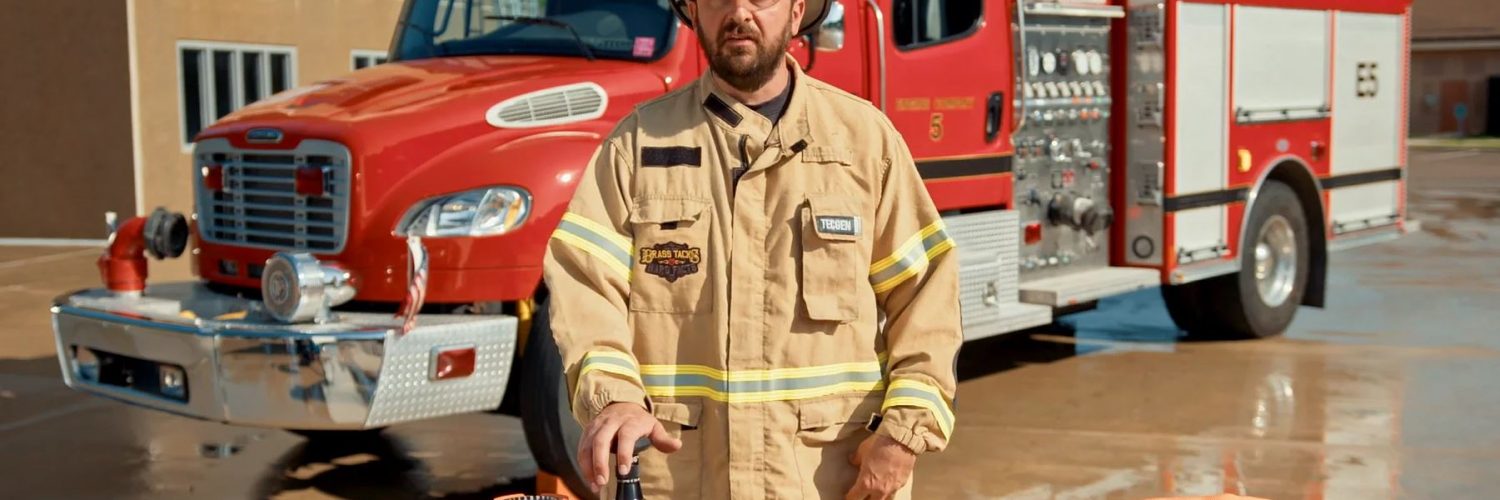
That standard is the Freeman Ratio, developed by John Freeman in the late 1800’s and still very relevant today, states that the nozzle orifice diameter should be half of the hose diameter. Dennis also speaks to finding balance with the Freeman Ratio and hose construction as well as nozzle reaction.
Dennis LeGear
Dennis LeGear, retired Capt. Oakland, CA. holds both an AS Degree in Fire Science and Bachelors in Vocational Education from CSU Long Beach. He also held the position of Water Supply Officer in the OFD, and advised the Engine and Truck Committees in pump spec, hose & equipment lay out, compartment / hose bed spec as it related to fire stream development. In addition he was a hose and nozzle instructor at many in house academies, plus an adjunct professor in the same capacity at the College of the Siskiyous in California. His fire service career included time at Cal Fire, Kings County and the City of Oakland.
Owner of LeGear Engineering F.D. Consulting (L.E.F.D.C), creator of the 1 3/16-inch smooth bore nozzle and TRU hose spec. A panel member of the UL Study of the Impact of Fire Attack Utilizing Interior and Exterior Streams on Firefighter Safety and Occupant Survival. Currently Manages/Project Lead of a national "Engine Test Group" composed of industry experts, which are involved in both the L.E.FDC "True Hose Project" the "1 3/16th-inch tip” 295gpm@50psi Project, and “Smooth Bore Matching Fog tips @50si NP” project.
His company has provided technical advice to some of the largest fire agencies in the nation including, Portland, Seattle, Boston and the City of New York. He has also consulted with water municipalities assisting in the development of emergency response plans for a variety of water infrastructure problems related to seismic events and other disasters. Author/Proposal Reviewer (Book Div. PennWell Publishing) Author of Fire Engineer FF I&II Handbook, Water Supply and Hose / Appliance Chapter.
View All VideosYou may also like
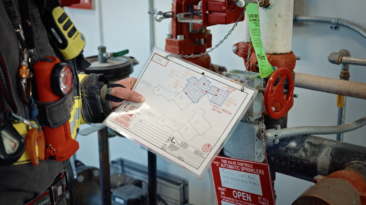
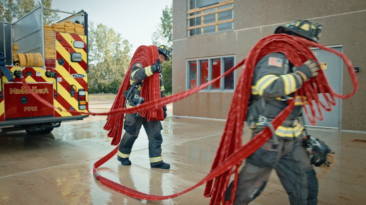
Accurately estimating hose requirements is critical when operating in multi story buildings. In this episode, Jonathan Brumley breaks down practical methods for estimating vertical hose stretches. He covers building layout considerations, stairwell travel distances, and hose management techniques...
Vertical hose stretches introduce unique challenges that require planning and coordination. In this episode, Jonathan Brumley walks through techniques for stretching hose vertically, focusing on stairwells, standpipes, and multi level layouts. He explains how to manage hose weight, friction, and...
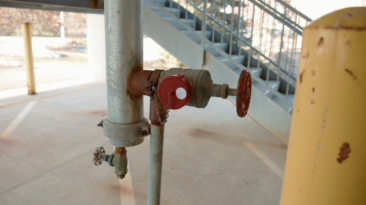
Not all standpipe systems operate the same way. In this episode, Kyle Smith breaks down manual standpipe systems, also known as dry systems, explaining how they function and what firefighters should expect when supplying them. He covers operational considerations, common challenges, and how manual...
Flow testing provides valuable data, but only if it is done correctly. In this episode, Kyle Romagus highlights common flow testing mistakes that can lead to inaccurate results and eventually poor operational decisions. He breaks down setup errors, calibration issues, and knowledge gaps so...