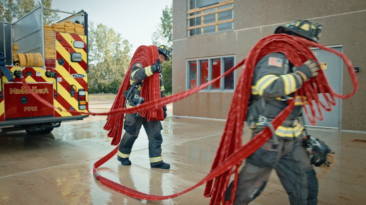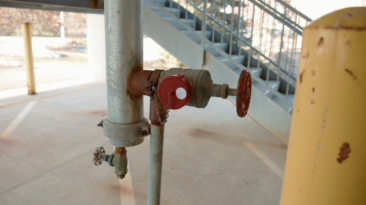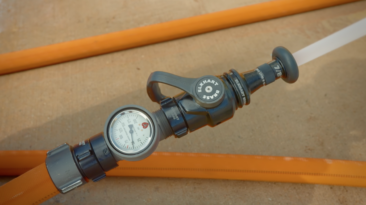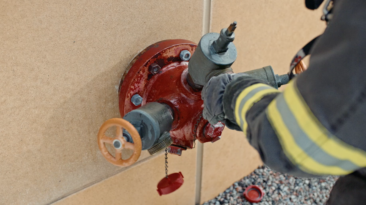

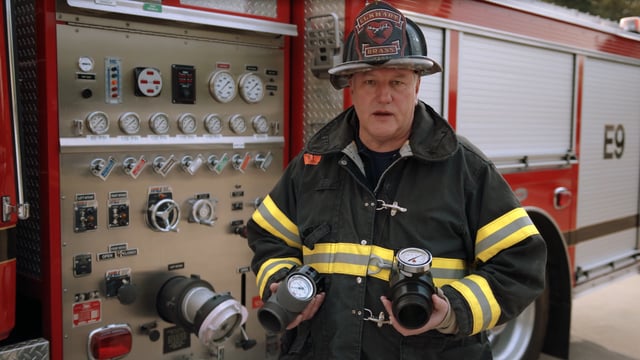
There are a couple of design differences, however, between these two pieces of equipment. Jerry Herbst reviews the differences and applications of each in this video.
Jerry Herbst
Jerry is a 37 year veteran of the Fire Service and is a New York State certified Training Officer. With over 25 years on the line Jerry has served in all rank positions including 6 years as Chief of Department in his local volunteer FD and ten years as a paid Deputy Chief Coordinator at the County Level. He is still an active Firefighter and Apparatus Operator.
He has been with Elkhart Brass since 2006 serving as a Regional Manager, National Account Manager and Strategic Development Manager for Municipal Markets.
Currently the Head of Training and Product Specialist for Elkhart Brass, his primary area of responsibility is the Northeast and Mid-Atlantic corridor. He also travels throughout the U.S. in support of Elkhart’s field force and National account partners providing subject matter expertise on the evaluation, development and implementation of equipment solutions for effective fire attack packages.
He is responsible for relationships with national level fire service instructors and training company's across the U.S. and facilitates their interaction with Elkhart Brass.
Jerry has been published and referenced in Industry leading media and is active in instruction and support at many of the nation’s leading Hands on Training events.
View All VideosYou may also like
Fire Department Connections are a critical link in standpipe operations, yet they are often misunderstood and can pose unique challenges. In this episode, Kyle Smith walks through Fire Department Connections, covering their purpose, common configurations, and operational considerations. He explains...
Effective water application starts with how you control the nozzle. In this episode, Jonathan Brumley breaks down grip transitions and how subtle changes in hand placement impact movement, stream control, and reaction force. He connects nozzle mechanics to real fireground decision making, showing...
A well-built Flat Load starts with proper loading technique. In this episode, Kyle Romagus walks through step-by-step how to load the Flat Load for both preconnect and static beds. He shares practical tips for managing folds, couplings, and hose layers to create a clean, efficient load that deploys...
When the stretch involves long distances and/or obstacles, the Inverted Flat Load provides a practical solution. In this episode, Kyle Romagus demonstrates how to invert the load to improve deployment and line control. He covers how this adjustment can make the Flat Load work better as a shoulder...