

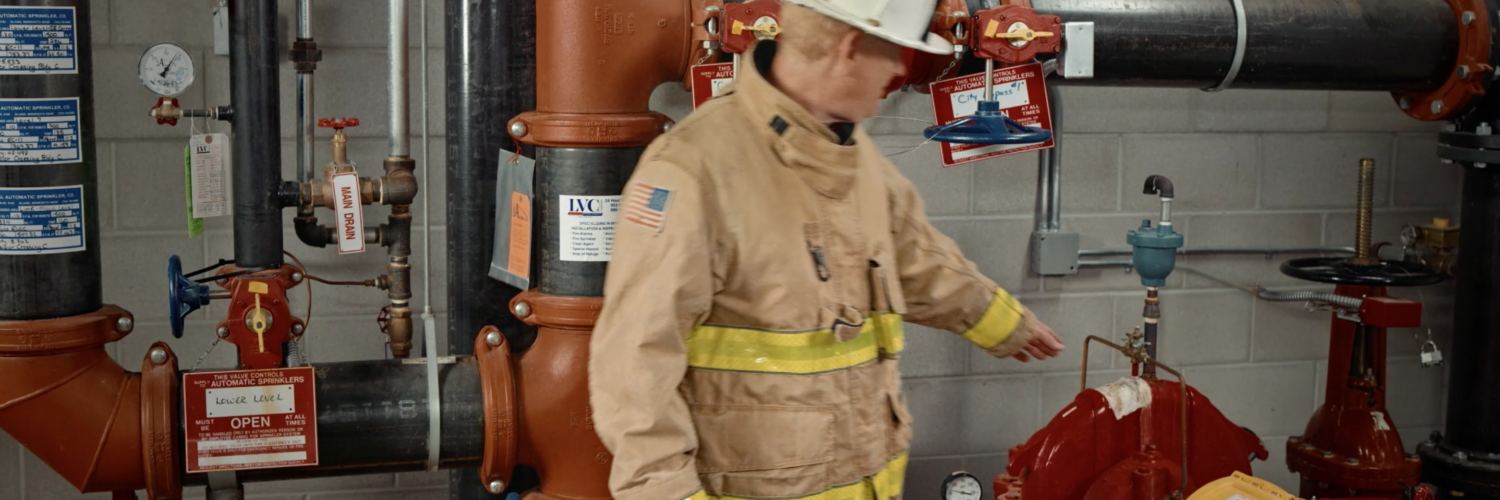
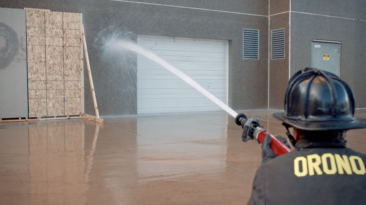
The stream is telling you more than you may realize. In this episode, Kyle Romagus explores how stream sounds can provide feedback on flow, pressure, and nozzle operation. He explains what firefighters should listen for and howthose audible cues can help identify problems, confirm proper flow, and...
LATEST IN The Art of Engine Work
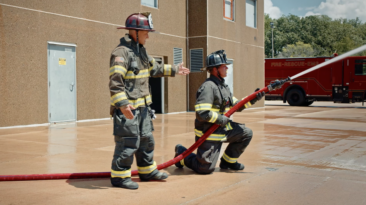
Effective water application starts with how you control the nozzle. In this episode, Jonathan Brumley breaks down grip transitions and how subtle changes in hand placement impact movement, stream control, and reaction force. He connects nozzle mechanics to real fireground decision making, showing...

The back up firefighter plays a critical role in keeping the attack line advancing and the nozzle flowing. In this episode, Jonathan Brumley demonstrates hose handling techniques that support the nozzle firefighter and maintain forward progress. From managing slack to positioning through turns and...
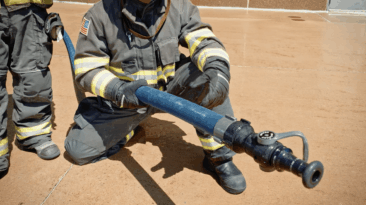
Success at the nozzle starts long before water is flowing. In this episode, Jonathan Brumley breaks down hose handling techniques for the nozzle firefighter that improve control, movement, and reaction under pressure. He demonstrates body positioning, line management, and communication tips that...
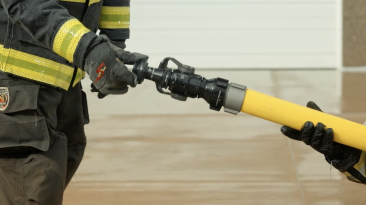
Extending a line using a leader line tip or from a shutoff is an operation that can happen when a smaller line may be needed for maneuverability or mop up after a hit with a 2-1/2”. In this episode Jon Hall reviews this tactic and some considerations for extending the line and securing it. CONNECT...
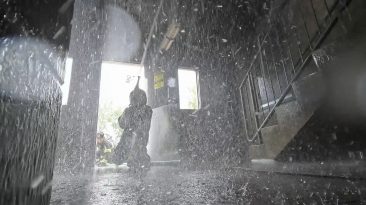
Backing out can become challenging when switching to a defensive attack.
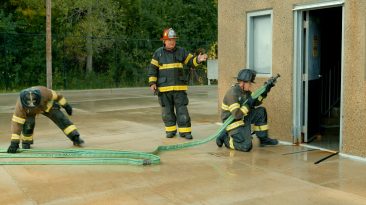
Reduce hang ups on your stretch to ensure it goes smoothly.
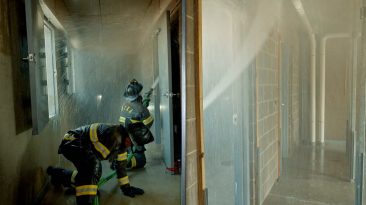
Steve Robertson reviews the impact of effective and ineffective stream angles in interior attacks.
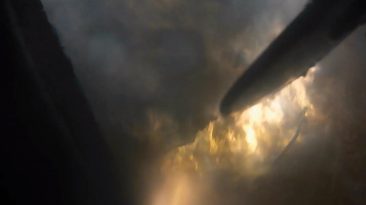
Being called a “good firefighter” is one of the best complements that a firefighter can receive.
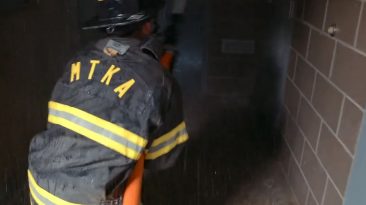
Sweeping the floor in front of you with the hose stream is an important to push away debris and embers when making your advance.
PRESENTED BY
